Delivery Time Factors
Understanding the various factors that influence pizza delivery times.
Introduction to Delivery Time
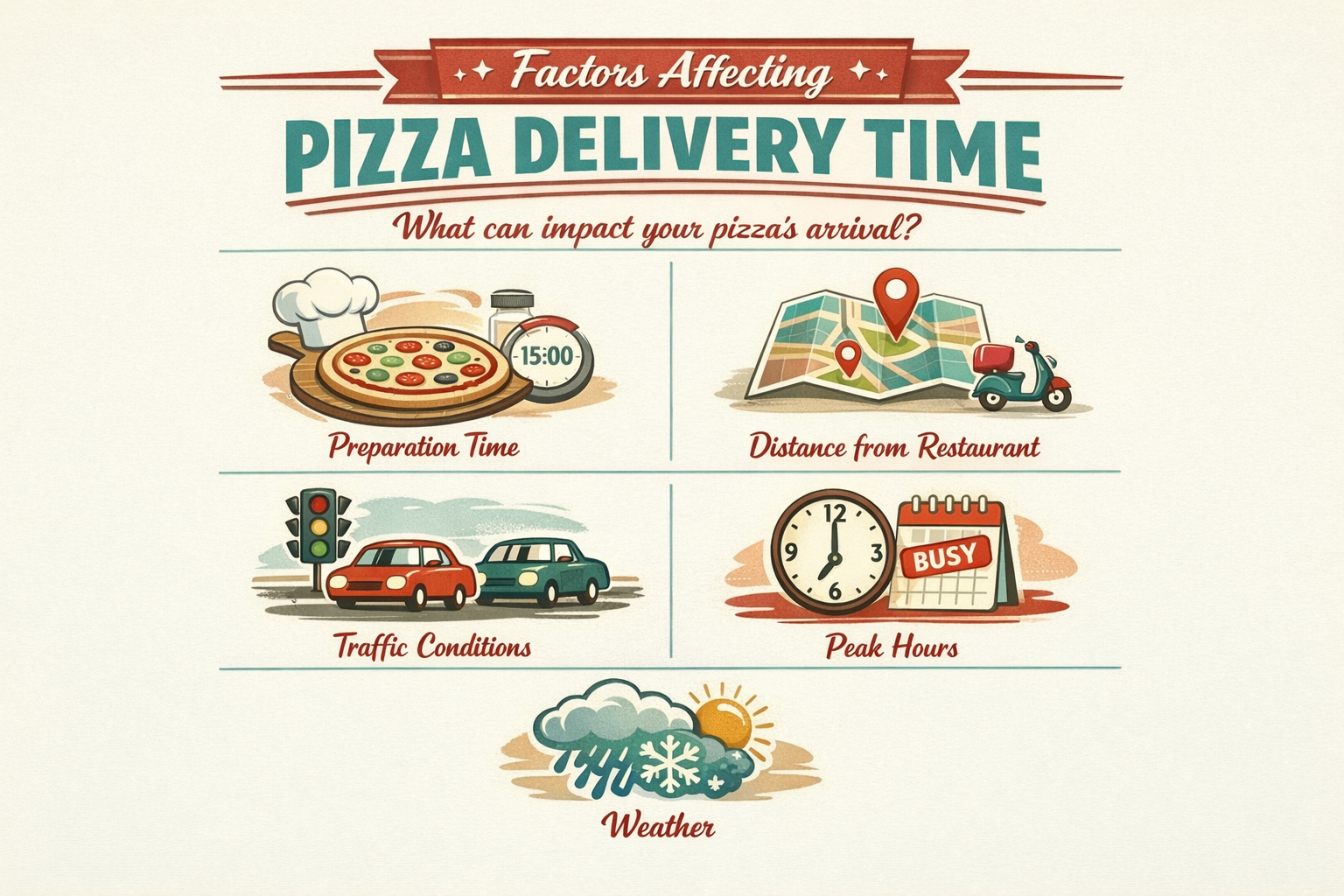
Pizza delivery time represents the total elapsed period from when an order is placed until it reaches the customer. This timeframe encompasses multiple distinct phases, each of which can affect the total delivery time. Understanding the factors that influence each phase helps explain why delivery times vary and what customers might reasonably expect when ordering pizza for delivery.
Delivery time is influenced by a complex interplay of operational, environmental, and logistical factors. Some of these factors are within the restaurant's control, such as preparation efficiency and staffing levels, while others are external, such as traffic conditions and weather. The combination of these factors determines the total time required for each individual delivery.
Managing delivery time expectations represents a significant challenge for pizza delivery services. Restaurants must provide accurate time estimates while accounting for variable conditions that can affect actual delivery times. Understanding the various factors that influence delivery time helps both restaurants and customers develop realistic expectations about the delivery process.
Preparation Time
Preparation time encompasses the period from order receipt until the pizza is ready for packaging and delivery. This phase represents the first significant component of total delivery time and varies based on multiple factors including order complexity, kitchen efficiency, and current order volume. Understanding preparation time factors helps explain the initial delay before delivery can begin.
Order Complexity
The complexity of individual orders significantly affects preparation time. Simple orders with standard pizzas require less time to prepare than complex orders with multiple customized pizzas or additional menu items. Each customization or special instruction adds steps to the preparation process, extending the time required before the order is ready for delivery.
Specialty pizzas with elaborate topping combinations or preparation techniques may take longer to prepare than standard pizzas. Similarly, orders that include sides, beverages, or desserts require additional preparation time and coordination between different kitchen stations. The cumulative effect of order complexity can significantly extend preparation time.
Large orders for multiple people or groups present particular preparation challenges. The kitchen must prepare multiple pizzas simultaneously while maintaining quality standards. Coordination between different kitchen stations becomes more complex with larger orders, potentially extending preparation time beyond what might be expected based on individual item count alone.
Kitchen Efficiency and Staffing
The efficiency of kitchen operations and the number of staff working directly affect preparation time. Well-organized kitchens with experienced staff can process orders more quickly than kitchens with less experience or inefficient workflows. The difference in preparation time between highly efficient and less efficient kitchens can be substantial.
Staffing levels relative to order volume significantly impact preparation time. During busy periods, even efficient kitchens may experience delays if insufficient staff are available to handle the order volume. Conversely, during slower periods with adequate staffing, preparation times may be shorter due to reduced competition for kitchen resources and equipment.
Equipment availability and capacity also affect preparation time. Ovens with limited capacity may create bottlenecks during busy periods, forcing kitchens to prepare pizzas in batches rather than simultaneously. Similarly, limited prep space or insufficient cooking equipment can slow preparation processes and extend the time required to complete orders.
Order Volume and Backlogs
Current order volume significantly affects preparation time, particularly during peak demand periods. When many orders are received simultaneously or in rapid succession, the kitchen must manage a backlog of orders waiting to be prepared. This backlog situation extends preparation time for all orders in the queue.
Peak demand periods, such as dinner hours on weekends, typically create the longest preparation times due to high order volume. During these periods, kitchens operate at or near capacity, and even efficient operations may experience delays. Understanding these peak periods helps customers set realistic expectations about preparation times.
The order in which pizzas are prepared follows established queuing principles that affect individual preparation times. First-in, first-out ordering is generally followed, but considerations such as order complexity and delivery time requirements may influence sequencing. Customers placing orders during peak periods should expect longer preparation times as a natural consequence of high demand.
Distance from Restaurant
The distance between the restaurant and the delivery destination represents one of the most obvious factors affecting delivery time. While distance alone doesn't determine delivery time, it serves as a fundamental constraint that influences all other timing considerations. Understanding how distance affects delivery helps explain time variations between different delivery locations.
Direct Distance vs Travel Distance
The straight-line distance between restaurant and customer location differs from the actual travel distance that delivery vehicles must cover. Road networks, urban design, and traffic patterns mean that actual travel distances are often significantly longer than direct distances. This difference affects delivery time calculations and estimates.
Urban areas with dense street networks often have multiple route options between points, allowing drivers to choose the most efficient path. However, the presence of one-way streets, traffic restrictions, and other urban design features can extend travel distance beyond what might be expected based on geographic proximity alone.
In suburban and rural areas with less dense road networks, travel routes may be more limited, potentially forcing drivers to take indirect paths to reach destinations. These routing limitations extend travel distances and delivery times, particularly in areas with poor road connectivity or limited access routes.
Delivery Radius Considerations
Most pizza delivery services establish maximum delivery radii based on practical considerations including time, cost, and quality maintenance. These radius limitations mean that restaurants only serve customers within a defined distance from their location. Understanding these radius considerations helps explain delivery availability and time expectations.
Delivery radius decisions balance the desire to serve as many customers as possible with the need to maintain reasonable delivery times and food quality. Larger radii increase potential customer base but also increase average delivery times and operational costs. Finding the optimal radius represents an important strategic decision for delivery services.
Customers located near the edge of a restaurant's delivery radius typically experience longer delivery times than those closer to the restaurant. This geographic variation in delivery time within coverage areas represents a natural consequence of distance-based service models. Customers should understand that delivery time estimates are averages that vary based on specific location within the coverage area.
Multi-Stop Delivery Routes
Delivery drivers typically carry multiple orders and make multiple stops on each route. This multi-stop approach affects delivery time for individual orders, as drivers must complete other deliveries before reaching specific customers. The position of a particular delivery within the overall route sequence influences its delivery time.
Geographic grouping of deliveries affects route sequencing and individual delivery times. Orders that can be grouped efficiently with other nearby deliveries may be delivered more quickly than isolated orders that require separate trips or inefficient routing. The distribution of orders geographically influences how routes are structured and affects individual delivery times.
Experienced drivers develop strategies for efficient route planning that minimize total travel time while meeting delivery time commitments. These strategies consider factors such as delivery time windows, pizza sensitivity to transport time, and geographic efficiency. The complexity of multi-stop route planning means that delivery times can vary significantly even for orders of similar distance.
Traffic Conditions
Traffic conditions represent one of the most variable and unpredictable factors affecting delivery time. Congestion, accidents, road construction, and other traffic-related events can significantly delay deliveries beyond what might be expected based on distance alone. Understanding traffic factors helps explain delivery time variations and why unexpected delays occur.
Rush Hour Patterns
Rush hour traffic patterns create predictable increases in delivery times during morning and evening commute periods. These periods of heavy congestion typically occur on weekdays and affect major roads and highways most significantly. Delivery routes that include these major thoroughfares experience extended travel times during rush hours.
The timing and severity of rush hour traffic varies between different areas and routes. Some areas experience severe congestion during both morning and evening rush hours, while other areas may only be affected during one period. Understanding local traffic patterns helps drivers plan routes and adjust delivery time expectations.
Experienced drivers develop strategies for dealing with rush hour traffic, including using alternative routes, adjusting departure timing, and modifying route sequences. These strategies help mitigate the impact of congestion but cannot completely eliminate delays caused by heavy traffic conditions.
Accidents and Incidents
Traffic accidents and other roadway incidents create unpredictable delays that can affect delivery times significantly. These events may block routes entirely, force detours, or simply slow traffic to a crawl. The unpredictable nature of accidents makes them particularly challenging for delivery time planning.
Minor accidents that don't completely block roadways still create congestion that slows traffic flow. Even small delays at multiple points along a route can add up to significant time extensions. The cumulative effect of minor congestion points can be as impactful as major incidents in some cases.
Major accidents that block primary routes may force drivers to take significant detours, greatly extending travel distance and time. In extreme cases, drivers may need to contact dispatch for new routing instructions or assistance with alternative routes. These situations represent the most severe traffic-related delays affecting delivery times.
Road Construction and Maintenance
Ongoing road construction and maintenance projects affect traffic flow and create delays that impact delivery times. Construction zones typically reduce speed limits, close lanes, or redirect traffic, all of which extend travel times through affected areas. These planned disruptions are generally predictable but still affect delivery operations.
Long-term construction projects may create persistent delays that require route planning adjustments. Drivers familiar with construction patterns can plan alternative routes that avoid the most affected areas. However, avoiding construction zones often requires longer travel distances, representing a trade-off between avoiding congestion and extending travel distance.
Seasonal construction patterns, particularly in regions with distinct seasonal weather patterns, create predictable periods of increased construction activity. Understanding these seasonal patterns helps restaurants and drivers plan for potential delays and adjust delivery time expectations accordingly.
Peak Hours
Peak hours represent periods of highest demand for pizza delivery services, typically evening hours and weekends. During these periods, increased order volume creates backlogs in both preparation and delivery phases, extending total delivery times. Understanding peak hour dynamics helps explain why delivery times vary throughout the day and week.
Dinner Peak Periods
The dinner period, typically from approximately 5:00 PM to 8:00 PM on weekdays, represents the most intense peak period for pizza delivery. During this time, order volume reaches its highest levels, creating significant pressure on both kitchen operations and delivery capacity. The combination of high preparation and delivery demand extends delivery times significantly.
During dinner peak periods, kitchens operate at or near capacity, with all ovens and preparation stations actively processing orders. This high utilization creates bottlenecks and extends preparation times for all orders in the queue. The backlog effect means that even orders placed early in the peak period may experience delays due to overall order volume.
Delivery capacity also becomes strained during dinner peaks, with all available drivers actively making deliveries. New orders must wait for drivers to complete existing deliveries and return to the restaurant, creating additional delays beyond kitchen preparation time. The dual pressure on kitchen and delivery resources makes dinner peak periods the most challenging for maintaining delivery time estimates.
Weekend Demand Patterns
Weekends typically generate higher overall demand for pizza delivery compared to weekdays, with peak periods extending over longer timeframes. Saturday evenings often represent the highest demand period of the week, with order volume exceeding even the busiest weekday dinner periods. This elevated demand creates extended delivery times throughout peak weekend hours.
Sports events, particularly on weekends, can create localized demand spikes as people order pizza while watching games at home. These event-driven demand increases may be concentrated in specific time windows and can overwhelm normal delivery capacity in affected areas. The unpredictable nature of sports events makes planning for these spikes challenging.
Weekend demand patterns also differ from weekday patterns in terms of timing. Weekend peak periods may start earlier and end later than weekday peaks, creating extended periods of elevated demand. This longer duration of high demand affects both staffing requirements and delivery time expectations.
Holiday and Special Event Demand
Holidays and special events create unique demand patterns that can significantly affect delivery times. Major holidays such as Super Bowl Sunday, New Year's Eve, and Halloween generate exceptionally high pizza delivery demand, often exceeding normal peak period levels by substantial margins. These events represent extreme demand scenarios that challenge delivery capacity.
During holiday peaks, restaurants may implement special operational adjustments to manage elevated demand, including increased staffing, expanded hours, and modified menu offerings. Despite these adjustments, delivery times typically extend significantly during these periods due to the sheer volume of orders.
Local special events, such as concerts, festivals, or sporting events, can create temporary demand spikes in affected areas. These localized increases may affect specific restaurants or delivery zones differently depending on event location and timing. Understanding local event calendars helps restaurants anticipate and prepare for these demand variations.
Weather Conditions
Weather conditions represent an external factor that can significantly affect delivery times beyond the restaurant's control. Rain, snow, extreme temperatures, and other weather events create challenges for both kitchen operations and delivery transportation. Understanding weather impacts helps explain delivery time variations during different weather conditions.
Precipitation Effects
Rain and snow affect delivery operations through multiple mechanisms. Precipitation reduces visibility, increases braking distances, and generally slows vehicle travel speeds. These effects extend travel times for delivery vehicles, particularly in areas with significant precipitation accumulation.
Snow and ice create particularly challenging conditions that can dramatically extend delivery times or make delivery impossible. Reduced traction, poor visibility, and the need for slower, more cautious driving all contribute to extended travel times. In severe winter weather conditions, some restaurants may suspend delivery service entirely for safety reasons.
Heavy rain also slows travel and may create localized flooding that blocks routes or requires detours. Even moderate rain can extend delivery times as drivers adjust their speed to maintain safety in wet conditions. The cumulative effect of reduced speeds throughout a delivery route adds significant time to total delivery duration.
Extreme Temperatures
Extreme temperatures, both hot and cold, affect delivery operations in different ways. Very hot weather can affect both drivers and vehicles, potentially requiring more frequent breaks or reduced operating speeds. Heat-related vehicle issues, such as overheating, can create unexpected delays during delivery routes.
Extremely cold weather creates challenges for maintaining pizza quality during transport. Cold temperatures accelerate pizza cooling, requiring drivers to work more quickly and potentially limiting the distance that can be covered while maintaining acceptable food temperature. Insulated delivery bags become particularly important in cold weather conditions.
Extreme temperatures also affect kitchen operations. Very hot weather can make kitchen working conditions uncomfortable, potentially affecting worker productivity and efficiency. Cold weather may require additional time for oven preheating and affect dough preparation processes. These operational effects can extend preparation time during extreme temperature periods.
Seasonal Weather Patterns
Seasonal weather patterns create predictable variations in delivery times throughout the year. Winter months in many regions bring snow, ice, and cold temperatures that consistently extend delivery times compared to more moderate seasons. Understanding these seasonal patterns helps restaurants and customers adjust expectations accordingly.
Spring and fall may bring unpredictable weather including thunderstorms, wind events, and rapid temperature changes. These transitional seasons can create variable delivery time conditions that change quickly with weather patterns. Restaurants must remain flexible in their operations to adapt to changing weather conditions during these seasons.
Summer months typically present fewer weather-related delivery challenges in most regions, though extreme heat can affect operations in some areas. Seasonal awareness helps restaurants plan staffing levels, capacity, and customer expectations based on typical weather patterns for each time of year.
Important Information
Please Note: This website provides educational information about factors affecting pizza delivery times. We do not provide delivery services, make delivery time estimates, or facilitate any food-related transactions. Delivery times are determined by individual restaurants and delivery companies based on their specific operational conditions and circumstances.